Critical Auto Repair Services You Shouldn't Neglect for Vehicle Longevity
Preserving a vehicle's longevity requires focus on several key auto repair services. Routine oil replacements, brake evaluations, and tire maintenance play essential roles in ensuring peak performance and safety. Overlooking these fundamental services can lead to costly repairs and unexpected breakdowns. Understanding the importance of these upkeep responsibilities is crucial for all vehicle operators. The question remains: which additional services deserve attention to extend the life of your vehicle?
Why Routine Oil Changes Matter
Routine oil changes are crucial for maintaining a vehicle's performance and longevity, as they ensure that the engine functions properly. Engine oil conditions moving parts, decreasing friction and averting damage. Over time, oil degrades, losing its effectiveness and accumulating contaminants that can harm engine components. Consistent oil changes confirm that new oil moves through the system, offering superior lubrication and preservation.
Neglecting this task can cause sludge buildup, reduced fuel economy, and ultimately, costly repairs. Auto manufacturers frequently advise designated timeframes for oil replacement, usually around every 3,000 to 5,000 miles, depending on the type of oil used and driving habits. Sticking to these guidelines not only enhances engine performance but can also improve resale value. Additionally, routine oil changes can aid in recognizing potential issues early, making room for timely repairs. Overall, keeping up with a regular oil change routine is an essential component of automotive upkeep that plays a major role to its long-term health.
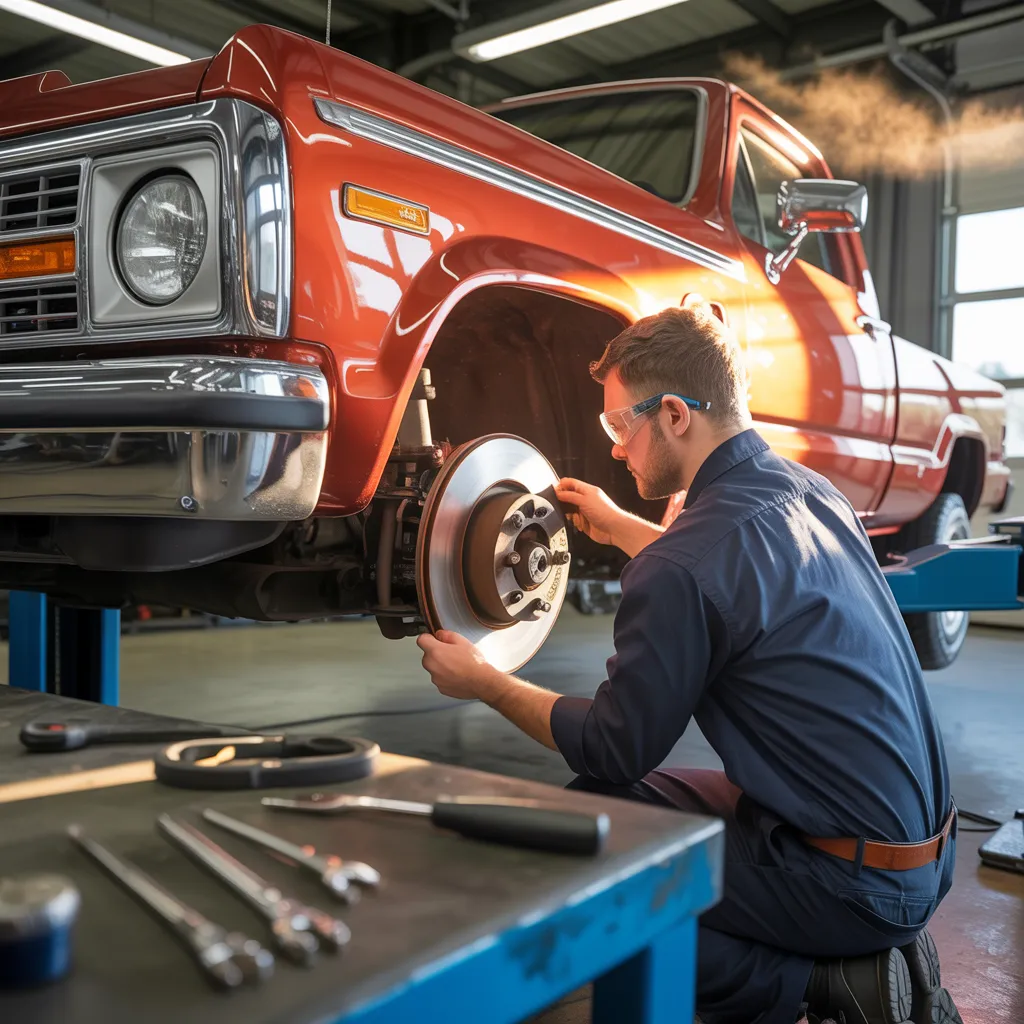
How Brake Inspections Can Save You Money
Periodic brake evaluations are highly effective at reducing ongoing costs for vehicle owners. Through early detection of potential problems, such evaluations help avoid costly repairs caused by overlooking maintenance needs. As an example, deteriorated brake pads may cause significant rotor damage, a repair that carries a much higher price tag. Prompt inspections confirm that all brake elements are performing optimally, ultimately improving the safety of your vehicle.
In addition, preserving top brake performance can boost fuel performance. When brakes are failing to operate correctly, the vehicle could need more energy to operate, leading to increased fuel consumption. In addition, regular inspections can help prevent accidents, which can result in expensive insurance payouts and increased costs.
Why Regular Tire Rotations Are Vital for Safety
Tire rotations play an essential role in ensuring optimal vehicle safety and performance. Routine tire rotations encourage uniform wear, extending their lifespan and maintaining peak traction. Irregular tire wear may result in diminished grip, especially in adverse weather conditions, increasing the risk of accidents.
What's more, irregularly worn tires can adversely impact the handling and stability of a vehicle, making it harder for motorists to control their vehicles. Well-preserved tire alignment, accomplished through regular tire rotations, leads to greater fuel economy, as adequately balanced tires demand less energy to roll.
Most manufacturers recommend tire rotations at intervals of 5,000 to 8,000 miles, but these intervals may differ depending on driving habits and vehicle type. Sticking to this routine not only enhances safety but also ensures optimal vehicle performance. Neglecting regular tire rotations can result in expensive tire replacements and compromise the safety of the driver as well as fellow motorists.
Essential Fluid Checks You Should Perform
Vehicle safety maintenance involves more than just tire rotations; it also includes checking multiple key fluids necessary for top performance. Consistent inspection of engine oil, coolant, brake fluid, transmission fluid, and power steering fluid may eliminate costly repairs and promote consistent operation. Engine oil lubricates essential components, reducing friction and heat, while coolant manages engine temperature to avoid overheating. Brake fluid is essential for responsive braking, and low levels can lead to brake failure. Transmission fluid ensures seamless gear transitions and guards against wear. Power steering fluid facilitates easy maneuvering, enhancing driver control.
Ignoring these checks can result in reduced vehicle performance and potential safety risks. Vehicle owners should review their owner's manual to find out the proper fluid levels and maintenance schedules. By committing to these vital fluid checks, drivers can enhance their vehicle's longevity and reliability, consequently boosting their overall driving experience.
Why Regular Battery Maintenance Prevents Breakdowns
Regular battery maintenance is crucial for eliminating sudden vehicle breakdowns and maximizing battery longevity. By identifying early indicators of battery deterioration, vehicle owners can act promptly to minimize unnecessary hassle. Following basic battery care guidelines can considerably boost the reliability and lifespan of your vehicle.
Battery Life Extension Tips
Maintaining a vehicle's battery at peak performance is crucial for avoiding unexpected breakdowns. Consistent maintenance significantly contributes to a longer battery lifespan. Keeping battery terminals clean and free of corrosion can greatly improve performance. It is advisable to check the battery's fluid levels periodically, ensuring they are at the recommended levels. Furthermore, ensuring a firm connection can help avoid vibrations that could harm components. Severe temperature fluctuations can reduce battery life, so storing the vehicle in shaded or temperature-regulated environments is recommended. Finally, routine battery testing, particularly before long trips, can identify potential issues early. Adopting these practical recommendations can enable drivers to steer clear of unexpected failures and extend the overall life of their vehicle.
Signs of Battery Failure
How do drivers identify the initial indicators of battery failure? Observing specific indicators can help prevent unexpected breakdowns. A vehicle that struggles to start, especially in cold weather, may indicate weakening battery performance. Moreover, dimming headlights or electrical malfunctions, including power window failures, commonly suggest an insufficient power supply. Motorists should additionally inspect for corrosion on battery terminals, as this can negatively affect performance. Unusual swelling or leakage from the battery casing indicates a serious problem and requires immediate attention. Routine upkeep, including terminal cleaning and voltage testing, can significantly prolong battery lifespan. By remaining observant and tackling these warning signs without delay, drivers can keep their vehicle reliable and steer clear of costly breakdowns.
Telltale Signs You Need a Professional Inspection
When is it appropriate for a vehicle owner to schedule a professional inspection? A variety of signs can indicate the need for expert attention. Strange sounds, like grinding or squeaking, can indicate mechanical problems that demand prompt evaluation. Additionally, warning lights on the dashboard, like the check engine light, should never be ignored, as they often signify underlying problems. If a vehicle exhibits decreased performance, such as sluggish acceleration or poor fuel efficiency, this may also warrant a professional evaluation.
Additionally, unforeseen vibrations or difficulty steering can indicate suspension or alignment issues that pose safety risks. Vehicle owners should also schedule a thorough inspection after encountering major shifts in driving conditions, such as severe winter weather or intense rainfall. Routine inspections can ultimately help avoid expensive repairs and increase the vehicle's longevity, making this practice crucial for sustaining overall automotive wellness.
Frequently Asked Questions
How Often Should I Check My Air Filter?
Air filters ought to be inspected at 12,000 to 15,000 mile intervals, or at shorter intervals in dusty environments. Routine inspections ensure optimal engine performance and fuel economy, contributing to the overall health of the vehicle.
What Are the Symptoms of a Failing Alternator?
Symptoms of a defective alternator include dimming headlights, a depleted battery, unusual noises, dashboard warnings on the control panel, and difficulty starting the vehicle. These signs point to potential electrical consult now issues that need immediate attention and diagnosis.
Can I Skip Maintenance if My Car Is New?
Overlooking maintenance on a new car is ill-advised. Regular upkeep guarantees peak performance, prevents future issues, and maintains warranty coverage. Ignoring routine service appointments can result in expensive repairs later, affecting the dependability of your vehicle.
How Does Your Driving Style Impact Vehicle Lifespan?
The way you drive significantly affects how long your vehicle lasts. Hard braking, aggressive acceleration, and frequent short journeys can cause excessive wear and tear, while regular maintenance, smooth driving, and maintaining steady speeds encourage extended vehicle life and performance.
What Steps Should I Take if My Check Engine Light Turns On?
When a check engine light turning on, one should promptly examine your vehicle's overall performance, review the owner's manual, and strongly consider to obtain professional diagnostic services. Ignoring it could cause further complications and costly repairs.